Introduction
Electrical systems are an essential part of modern industrial equipment, automobiles, electronic devices, and machinery. These systems depend on reliable connections to transfer power and signals safely. A wiring harness plays an important role by organizing multiple wires, cables, terminals, and connectors into a single assembly.
Choosing the right wiring harness is important for maintaining electrical performance, improving reliability, and reducing connection-related problems. A harness designed for one application may not be suitable for another because different applications have different electrical, mechanical, and environmental requirements.
For businesses looking for dependable wiring harness solutions in Noida, understanding the key selection factors can help them make better decisions.
What Is a Wiring Harness?
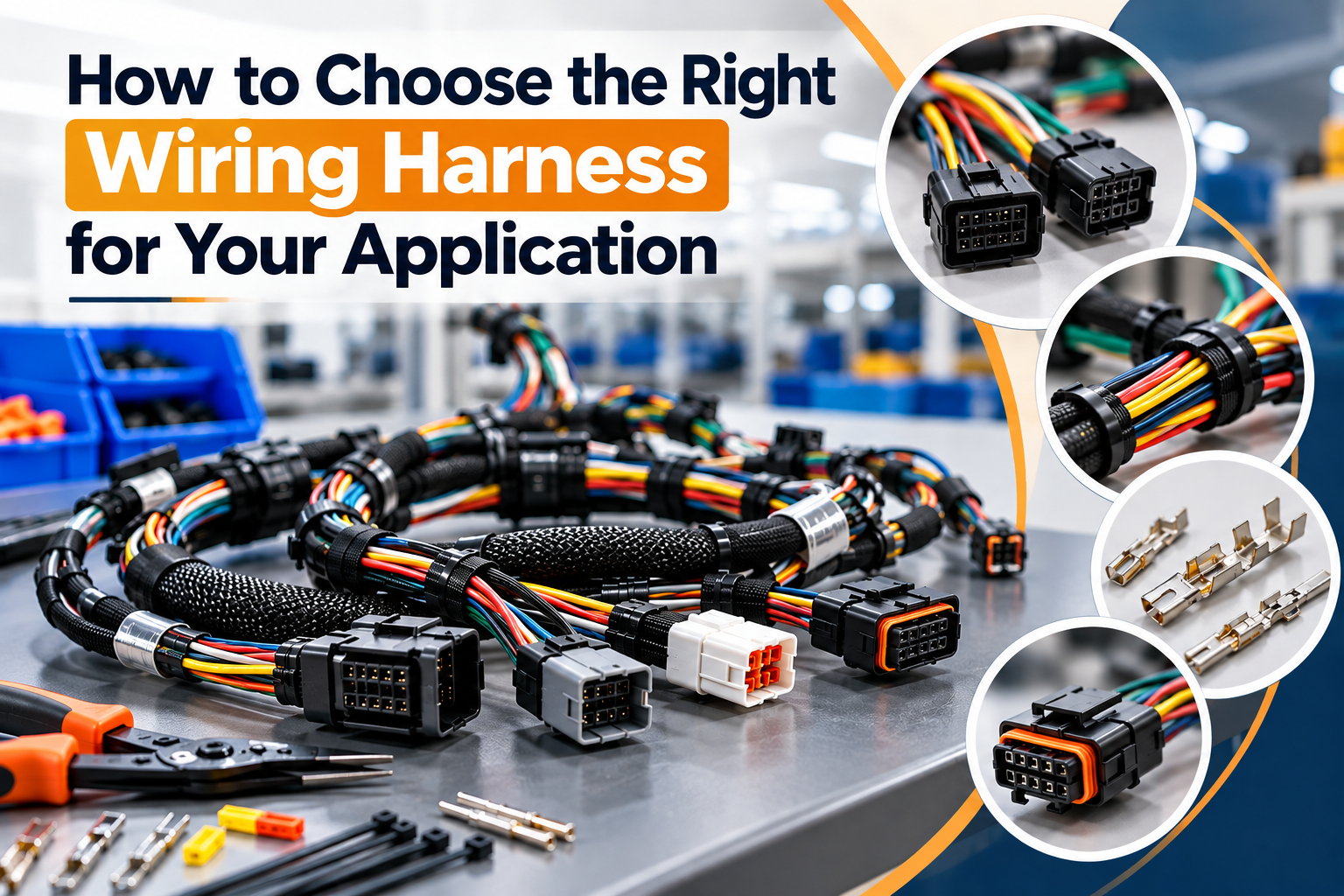
A wiring harness is an organized assembly of electrical wires, cables, terminals, and connectors designed to transmit electrical power or signals between different components.
Instead of using multiple loose wires, a wiring harness groups and routes them into a structured arrangement. This helps simplify installation, improve cable management, and make electrical systems easier to maintain.
Wiring harnesses are used in various applications, including:
Automotive electrical systems
Industrial machinery
Electronic equipment
Electrical control panels
Power distribution systems
Communication equipment
The design of a wiring harness depends on the application, the components being connected, and the operating conditions.
1. Understand Your Application Requirements
The first step in choosing a wiring harness is understanding where and how it will be used.
Different applications require different wire types, connector configurations, insulation materials, and assembly designs. For example, a harness used inside electronic equipment may have different requirements from one installed in industrial machinery.
Before selecting a wiring harness, consider the following questions:
What equipment will the harness connect?
Will it carry electrical power, signals, or both?
How many wires and connections are required?
What are the installation space limitations?
Will the harness operate in demanding environmental conditions?
Clearly defining these requirements helps narrow down suitable options and reduces the chances of compatibility issues.
2. Check Wire Size and Electrical Requirements
Wire size is an important factor in wiring harness selection. The wire must be suitable for the electrical load and operating conditions of the application.
A wire that is too small for the required current may experience excessive heating and voltage drop. On the other hand, selecting an unnecessarily large wire can increase cost and make installation more difficult.
Important electrical considerations include:
Current rating: The wire should be appropriate for the expected current and installation conditions.
Voltage requirements: The insulation and wire construction must be suitable for the system's operating voltage.
Temperature conditions: The wire insulation should be able to withstand the expected operating temperature.
Voltage drop: Wire length and conductor size should be considered to maintain acceptable electrical performance.
The correct specifications should be determined according to the application and relevant technical requirements.
3. Select Compatible Electrical Connectors
Connectors are essential components of a wiring harness because they establish electrical connections between wires, devices, and equipment.
Choosing an unsuitable connector can lead to poor contact, intermittent signals, connection failures, or installation difficulties.
When selecting electrical connectors, consider:
Connector type and configuration
Number of pins or terminals
Current and voltage ratings
Compatibility with mating components
Locking and retention mechanisms
Environmental protection requirements
Ease of installation and maintenance
Connector compatibility should always be checked against the equipment specifications. A connector that appears physically similar to the required component may still have a different pin arrangement, electrical rating, or connection design.
4. Consider Insulation and Environmental Conditions
The environment in which a wiring harness operates can affect its performance and service life.
Some applications involve high temperatures, moisture, dust, vibration, chemicals, or continuous movement. The wiring harness must be designed with suitable materials and protection for these conditions.
For example, applications exposed to frequent movement may require flexible wires and appropriate strain relief. Equipment installed in dusty or wet environments may require connectors and protective components with suitable ingress protection ratings.
Before finalizing a harness, evaluate:
Operating temperature range
Exposure to moisture and dust
Vibration and mechanical stress
Contact with oils or chemicals
Cable routing and bending requirements
Required protection against abrasion
Selecting suitable materials and protective features helps reduce the risk of premature wear and connection problems.
5. Check Harness Design and Cable Routing
A wiring harness should not only meet electrical requirements but also fit correctly within the equipment.
Poor routing can create installation difficulties, increase mechanical stress, and expose wires to sharp edges or moving parts.
An effective harness design considers wire lengths, branch points, connector positions, mounting locations, and available installation space.
Cable routing should also allow for appropriate bending and movement without placing excessive tension on wires or terminals.
For equipment manufacturers, a well-organized harness can simplify assembly and make future inspection or replacement easier.
6. Focus on Quality and Manufacturing Consistency
The quality of a wiring harness depends on its components, assembly process, and inspection procedures.
Incorrect crimping, damaged insulation, loose terminals, or improperly fitted connectors can affect electrical reliability. These problems may not always be visible during a basic visual inspection.
Depending on the application, quality checks may include:
Visual inspection of wires and connectors
Verification of wire lengths and routing
Terminal crimp quality checks
Continuity testing
Short-circuit testing
Connector fit and retention checks
Verification against approved specifications
The appropriate inspection and testing procedures should be established according to the product design and its intended use.
For businesses purchasing wiring harnesses in bulk, consistent manufacturing and clear technical specifications are particularly important.
7. Evaluate the Supplier Before Ordering
Choosing a suitable supplier is another important step in the procurement process. A supplier should be able to understand the application requirements and provide products that match the agreed specifications.
Before placing an order, businesses should evaluate:
Technical understanding: Can the supplier understand the required wire specifications, connector types, and assembly configuration?
Product consistency: Are the components manufactured and inspected according to defined requirements?
Specification clarity: Are material details, dimensions, connector configurations, and other relevant requirements clearly documented?
Communication: Can the supplier coordinate effectively during product selection and order processing?
Application suitability: Does the proposed solution match the intended operating conditions?
Comparing suppliers on these factors can help businesses make informed purchasing decisions instead of choosing only on price.
Why Wiring Harness Selection Matters for Businesses in Noida
Noida has a strong presence of businesses operating in electronics, manufacturing, engineering, and industrial supply chains. For companies working with electrical equipment, choosing suitable wiring harnesses and connectors is an important part of product planning and assembly.
An appropriate wiring harness can help simplify installation, organize electrical connections, and support consistent manufacturing processes.
Businesses should share accurate technical requirements with their suppliers before ordering. Providing details such as wire specifications, connector references, quantities, dimensions, and operating conditions can make the selection process more efficient.
Companies searching for wiring harness suppliers in Noida should prioritize technical compatibility, product quality, and application requirements when evaluating available options.
Common Mistakes to Avoid When Selecting a Wiring Harness
A few common mistakes can create unnecessary problems during installation and operation.
Choosing only by appearance: Similar-looking wires and connectors may have different specifications.
Ignoring current requirements: Wire size and ratings must be appropriate for the intended electrical load.
Overlooking environmental conditions: Heat, moisture, vibration, and abrasion can affect harness performance.
Not checking connector compatibility: Pin configuration and mating compatibility should be verified before installation.
Skipping inspection: Suitable testing helps identify assembly and connection problems.
Providing incomplete specifications: Missing technical details can result in an unsuitable product or delays during procurement.
Avoiding these mistakes helps businesses select wiring harnesses that better match their equipment and operating requirements.
Conclusion
Selecting the right wiring harness requires careful consideration of electrical specifications, connector compatibility, insulation materials, cable routing, manufacturing quality, and environmental conditions.
Businesses should define their requirements before placing an order and verify that the selected harness matches the intended application. Paying attention to these factors can help reduce installation difficulties and support reliable electrical connections.
For businesses seeking wiring harnesses, electrical connectors, and related electronic components in Noida, understanding these selection criteria is a practical starting point for making better procurement decisions.
To learn more about electronic components and available solutions, visit HS Electronics at https://hselectronics.online/.